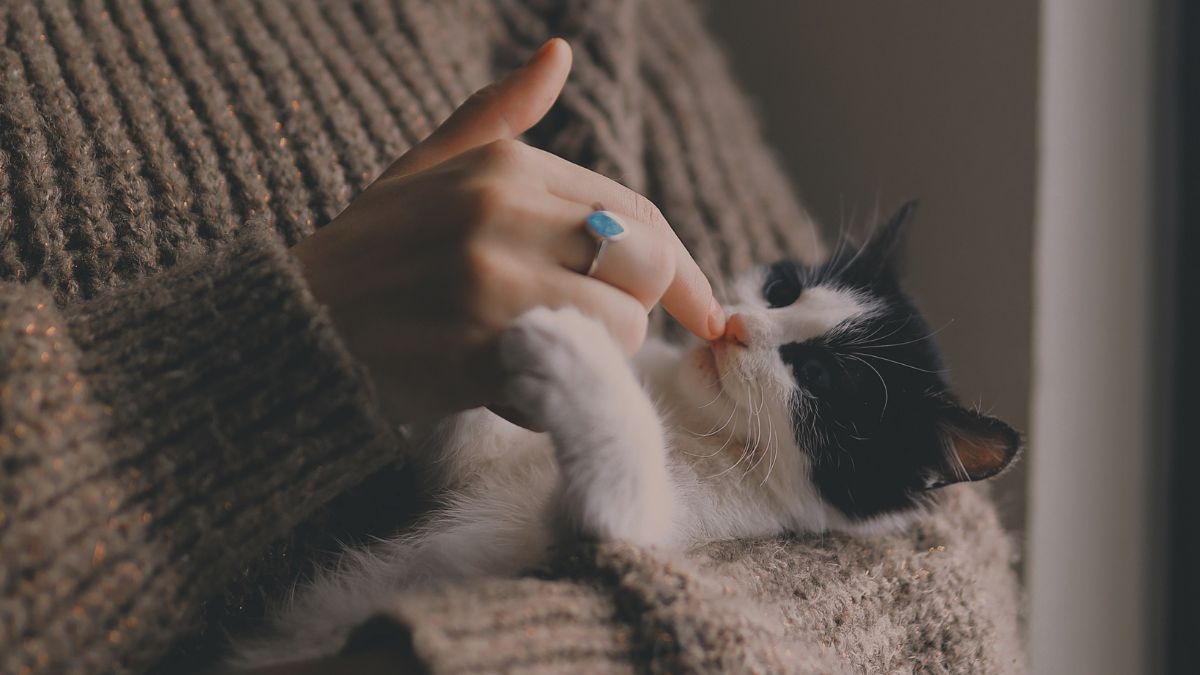
What does it mean when your cat headbutts you (and how to respond)?
21 Sep 2026.
If you’ve ever seen your kitty go crazy during nighttime zoomies or stare off into a space at nothing, you know that cats can sometimes be rather mysterious creatures. We don’t always know why our fur friends do the things they do, but we’ll never stop trying to understand them better either! Bunting (or headbutting) is a quirky behaviour many felines engage in. But do you know why your cat likes to headbutt you? Below, Cat in a Flat explains!
Table of contents
What is bunting in cats?
What is bunting in cats? Your feline has many ways of communicating with you—both verbally and through body language. Bunting is simply one of your fur friend’s ways of ‘talking’ to you. When your cat headbutts, they bump their forehead, cheeks, or chin against you.
How a cat headbutts will vary from one to the next. Some will lightly ‘bop’ you while others may knock their skull against yours with a little more force. It’s important to remember that even if you have a kitty who likes to bunt you a bit more roughly, it’s not a sign of aggression. Whether gentle or not-so-gentle, the message is the same: your fur friend is trying to show their love for you!
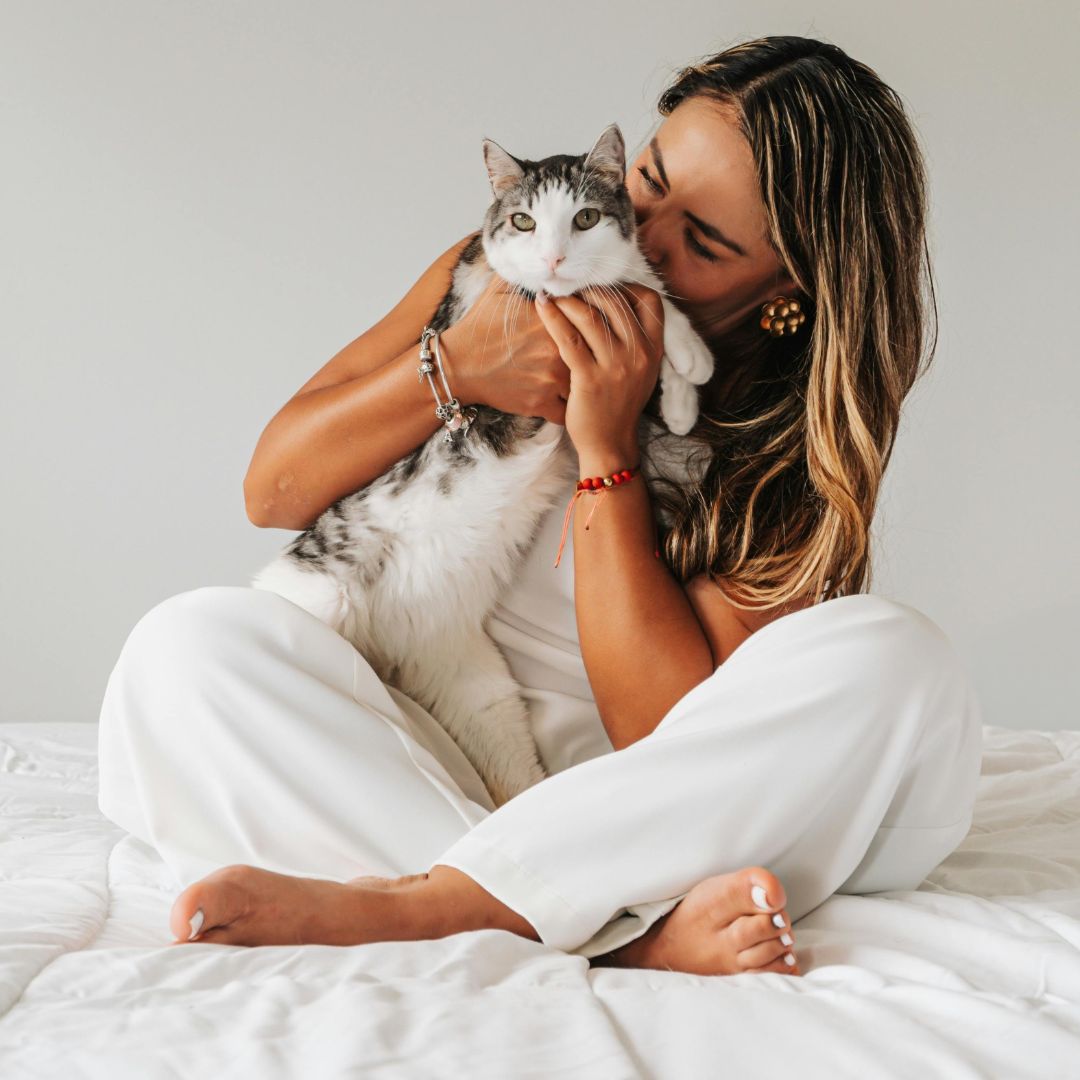
Why does my cat headbutt me?
Why does my cat headbutt me? There can be a variety of reasons why your kitty likes to headbutt you. It’s not only a way of showing affection but also important for social hierarchy and marking their territory! Here are a few of the key reasons bunting is important to felines.
To mark territory
As you probably know, felines are territorial animals (hence it’s so important to take care when introducing a new kitty into your cat’s territory). Mr Whiskers has glands in their cheek, forehead, and chin that contains pheromones. When they headbutt you, they leave their scent behind. This is basically your cat’s way of marking you as well as other pets or humans as ‘mine.’
To show love and affection
When your cat headbutts you, they are also trying to show that they value you as a member of their family. Bunting is usually accompanied with a deep purr, so it’s a sign your fur friend is feeling happy and comfortable. And if your kitty bunts you then flops over to expose their belly? This means they’re particularly relaxed in your presence!
And if your cat sitter wins a headbutt from you cat, you know Mr Whiskers is in good hands. This is why it’s great idea to re-hire the same cat sitter if you can—it gives your sitter and your kitty the chance to properly bond. Your cat will also feel more comfortable with someone familiar coming to look after them whenever you’re out of town.
To establish social rank
Anyone who lives in a multi-cat household knows there is a careful hierarchy amongst felines. Headbutting can be an important part of establishing social rank for your furry friends. Generally, the more dominant or ‘senior’ kitty is the one who initiates bunting. This way they are the ones to establish familial bonds and spread their scent.
To ask for something
Since felines can’t use words to make requests, they have to get a little creative with how they communicate with their humans! Sometimes your cat might headbutt you because the want something, whether it be food, cuddles or playtime. Since this can be attention-getting behaviour (like jumping on the counter or knocking things off tables), be careful about indulging your fur friend too much. While it’s okay to give your cat as many cuddles and as much playtime as they want, you don’t want to dole out food or treats every time they headbutt you. This can lead to an overweight, unhealthy kitty.

Other head-related behaviours in cats
There are quite a few other head-related behaviours your fur friend my do to show affection or establish a social hierarchy.
- Bowing their head: If your cat lowers their head and shows the back of their neck, it usually means they trust you.
- Nose touching: One of the ways felines greet each other is by touching noses. This is also a way to share scents and establish another kitty as part of the group. Look at it as the cat equivalent of a handshake!
- Head to tail rubbing: It’s not uncommon for cats to leave their scent on objects around the home. This may involve rubbing themselves from whiskers to tail against something (or you!).
When headbutting in cats is bad
While bunting is normal for felines, there can be some situations where it crosses over into unhealthy territory. If you’re not sure whether your kitty’s headbutting is healthy or not, don’t hesitate to consult your vet. Here are a few of the more common signs of potentially dangerous head-related behaviour:
- Head pressing: While bunting tends to be a brief, gentle ‘boink’, head-pressing is when your kitty presses their head or face against the wall or furniture for extended periods of time. This compulsive behaviour may point to neurological damage or brain tumours.
- Excessive rubbing: If Mr Whiskers seems to be constantly rubbing their face against things or scratching themselves, it could mean there’s another issue at play. Skin allergies (sometimes caused by diet), ear infections, or parasites (such as fleas or ticks) are a few potential causes for excessive face rubbing.
- Head shaking: When a kitty is frequently shaking their head, it may mean there is something in their ear canals that is bothering them. This can include mites, an infection, or even a foreign object stuck in your furry friend’s ear.
What if my cat doesn’t headbutt?
What if my cat doesn’t headbutt? While bunting is very common with felines, this doesn’t mean that every kitty does it. When a kitten is taken from their mother too young, they may not learn this behaviour. And remember that every kitty is unique and different cats also have different ways of showing affection. Mr Whiskers might prefer bonding by sleeping on or near you, ‘making biscuits’, or following you around the house. So, just because your cat doesn’t headbutt, doesn’t mean they don’t like you. It just means they want to show they love you in another way!
Want to find out more about your fur friend’s fascinating behaviour? Check out our blog to learn about what your cat does when you’re not around and whether it’s possible to teach your kitty tricks (hint: it is!).
- #cat behaviour
- #catinaflat
- cat behaviour
- cat bunting
- cat headbutting
- why cats bunt
- why cats headbutt